ISE 2026 is a wrap – what it tells us about the future of displays and compute
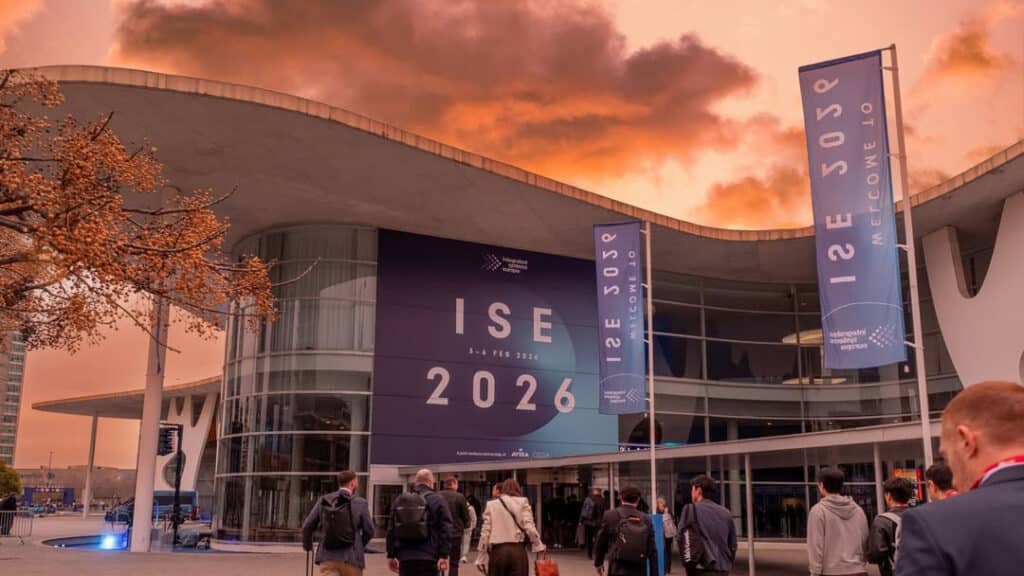
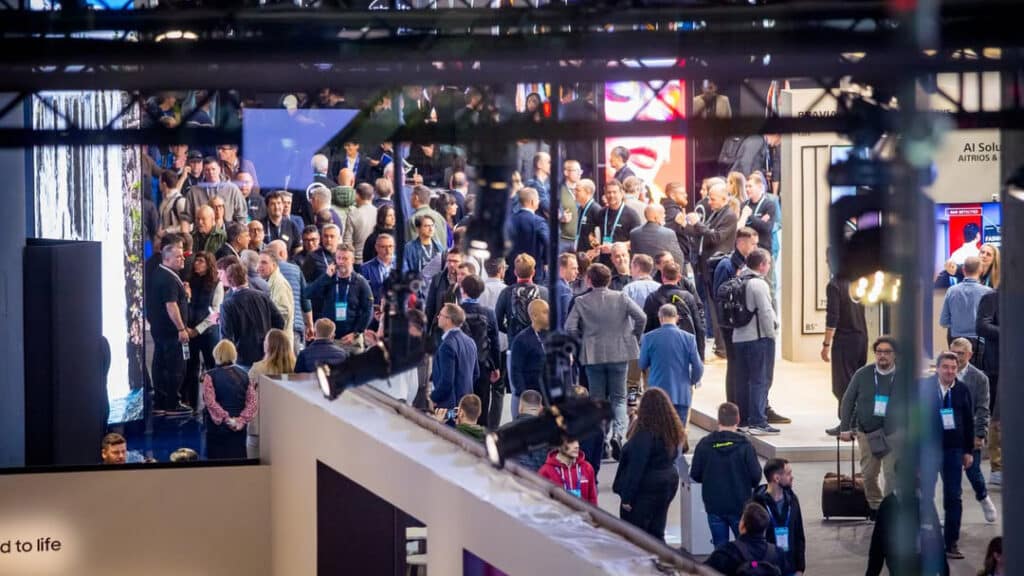
ISE 2026 in Barcelona has just closed its doors after another record-breaking year – more than 92,000 visitors, over 1,700 exhibitors, and a show floor that passed 101,000 m².
For Azulle, exhibiting in the Digital Signage & DooH zone was a clear confirmation of where the market is heading and what our customers are asking for.
Here’s what stood out:
🔹 Digital signage is now a full stack – not just a screen and a player
Across Hall 4 we saw end-to-end platforms: content management, analytics, ad networks, audience measurement, and orchestration tools built on top of pro-grade displays. Compute is expected to be the invisible, reliable backbone of that stack – always on, remotely managed, and consistent across locations.
🔹 Reliability is becoming a competitive advantage
In many conversations one theme came up again and again: defect rates and early failures are slowing down deployments and eroding trust. Integrators and end customers are actively looking for mini PC manufacturers who invest in industrial-grade components, lifecycle planning, and stability, not just cost optimization.
🔹 Low-cost boards are there – but x86 mini PCs own the heavy lifting
Yes, we saw Raspberry Pi–based signage solutions and ultra-compact boards for simple use cases. But for 24/7 DOOH, transport, QSR, and retail media networks, most serious projects still anchor on x86 mini PCs where uptime, performance, and long-term support really matter.
🔹 AI is moving closer to the edge
Across the show, AI wasn’t just on slides – it was in real products: computer-vision analytics, smart retail experiences, live content personalization, and monitoring of distributed fleets. ISE’s own programme highlighted AI and cybersecurity as core themes this year, especially for smart buildings and connected spaces.
For us, ISE 2026 reinforced Azulle’s role in this ecosystem:
We’re here to be the trusted mini PC platform behind displays, kiosks, and edge applications – compact, fanless hardware built for commercial deployments, not consumer desktops.
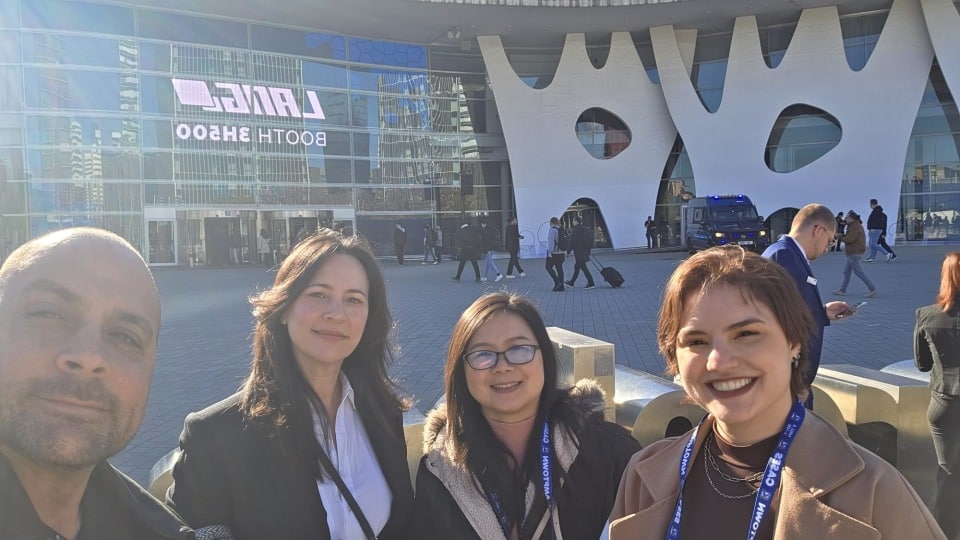
Thank you to everyone who visited our booth 4B900, shared their projects, and challenged us with real-world requirements.
If you’re now back from Barcelona and re-thinking your compute strategy for digital signage or edge, our team would be happy to continue the conversation and show you what standardizing on Azulle hardware can look like in your environment.